
Cataracts are one of the most common reasons people in India lose clear vision as they age. They develop slowly, so many people put up with blurry reading, glare while driving at night, and washed-out colours for years before getting checked. The good news is that cataract surgery is a short, routine procedure, and the right specialist can restore sharp vision and make daily life easier.
Vadodara has a good mix of dedicated eye hospitals and multispecialty centres. Here are five options to consider, starting with Optiglow Eye Hospital and followed by four others in the order you asked for.
1. Optiglow Eye Hospital
If you want a focused, patient-first experience, Optiglow Eye Hospital is a good place to begin. Anyone searching for a cataract specialist in Vadodara will find that the hospital treats cataract care as a full journey, from the first conversation to the final follow-up, rather than as a single operation.

What makes the approach worth noting is the emphasis on explaining things clearly. Many patients arrive anxious, having heard stories about surgery from relatives. A good cataract team begins by examining your eyes thoroughly, showing you what is happening inside them, and recommending a plan that fits your lifestyle, whether you read a lot, drive at night, or work on screens all day.
Lens choice is one of the most important decisions in cataract surgery. A standard monofocal lens usually gives clear distance vision, while advanced options may reduce your dependence on glasses for near and intermediate tasks. Optiglow can guide you through these choices so you pick based on your daily needs, not on a price list.
Good fit for: first-time cataract patients, people who want detailed counselling, and anyone comparing lens options.
2. Sankara Nethralaya
Sankara Nethralaya is one of the most widely recognised names in Indian ophthalmology. The institution is a not-for-profit organisation known for its teaching, research and community eye-care work, and its reputation in cataract and retina care extends well beyond its home city.
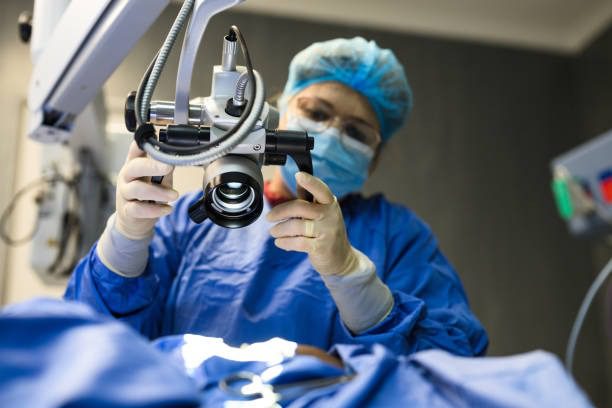
Its strength is the depth of expertise and structured clinical protocols that come with a large academic institution. Patients with complicated eyes, such as those with a previous eye injury, other eye diseases alongside cataract, or unusual prescriptions, often look to such institutions for second opinions.
A practical point for Vadodara residents: the institution’s main operations are based in Chennai, so check directly on its website or by phone about what is available to you, whether that means consultations, referrals or travel for a procedure. If your case is complex, that planning may be worth the effort.
Good fit for: complex or high-risk cases, and patients who want a second opinion from a respected institution.
3. Drashya Eye Hospital
Drashya Eye Hospital is a dedicated eye-care centre, and that specialisation counts for something. Hospitals that focus only on eyes tend to build their entire workflow around ophthalmic care, from diagnostic equipment to nursing staff trained in pre- and post-operative eye procedures.

For cataract patients, a focused setup usually means a smoother day. Check-ups, scans and counselling happen in one place, and you are less likely to be bounced between departments. Dedicated eye hospitals also tend to handle high volumes of cataract surgeries, which builds routine and efficiency.
When you visit, ask which surgical techniques they use, which lens options are available, and what follow-up schedule they recommend. A good team will answer plainly and without pressure.
Good fit for: patients who prefer a specialised eye-only environment and a straightforward process.
4. Zydus Hospitals
Zydus Hospitals is a large multispecialty hospital, which gives it a different kind of advantage. If you have diabetes, high blood pressure, heart conditions or other health issues alongside cataract, having a full medical team under one roof can be reassuring.
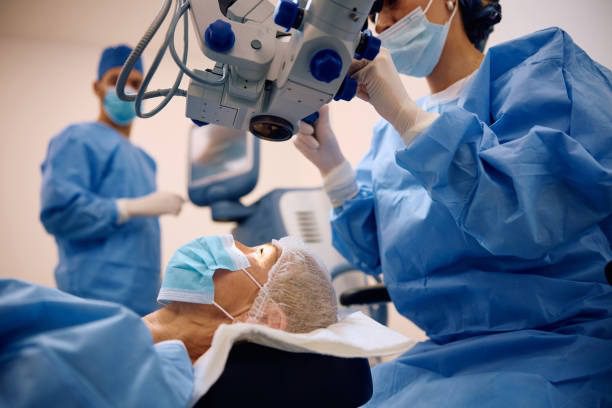
Cataract surgery is generally very safe, but pre-operative planning matters more when you have other conditions. Blood sugar control, medication adjustments and anaesthesia considerations all play a role. A multispecialty setting can coordinate these needs smoothly, with physicians, anaesthetists and eye surgeons working together.
The trade-off is that a large hospital can feel busier than a small eye clinic. Ask about appointment timings, expected waiting periods and who will be performing your procedure so there are no surprises.
Good fit for: patients with other medical conditions who want integrated care in a multispecialty hospital.
5. ASG Eye Hospital
ASG Eye Hospital is a well-known eye-care chain with centres in several Indian cities. Chain hospitals bring the benefit of standardised processes, wide experience across many patients and, often, a broad menu of services from cataract and glaucoma to retina and cornea care.
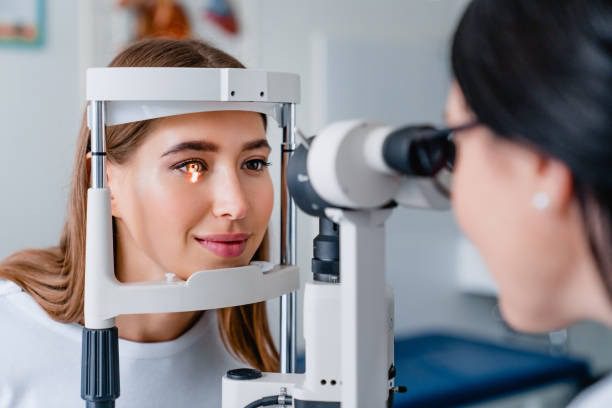
For cataract patients, this can mean access to a range of lens options and a clear, repeatable care pathway. It also helps if you value consistency and want to know what to expect at every stage.
As with any hospital, confirm the specifics for the Vadodara centre: which surgeons are available, which technologies are in use, and what the packages include. Ask whether follow-up visits and post-surgery medicines are covered, so your final cost is clear.
Good fit for: patients who like a structured, chain-hospital experience with a broad range of eye services.
How to Choose the Right Cataract Specialist
A list can only narrow your options. The final choice should rest on your own situation. These questions will help:
1. Who will actually operate on me? Ask about the surgeon’s experience with cataract procedures and whether you will meet them before the day of surgery.
2. What are my lens options? Understand the difference between monofocal, multifocal and toric lenses, and which suits your eyes and lifestyle. A good doctor explains the trade-offs rather than pushing the most expensive choice.
3. What does the total cost include? Clarify whether the quote covers pre-operative tests, the lens, medicines and follow-up visits.
4. What does follow-up look like? Recovery is usually quick, but check-ups in the first few weeks are important. Make sure you know how to reach the team if something feels wrong.
5. Do I feel comfortable asking questions? If you leave a consultation confused or rushed, that is worth noting. Good care starts with good communication.
Signs You Should See a Cataract Specialist Soon
As we get older, regular health checks become increasingly important because some age-related conditions can develop gradually without causing obvious symptoms at first. Keeping up with regular health assessments can help identify changes early and give you more time to discuss treatment options with the right specialist.
Do not wait for your vision to become severely blurred. Consider booking an appointment if you notice:
- Cloudy, foggy or dim vision that glasses no longer fix
- Halos or glare around lights, especially at night
- Colours looking faded or yellowish
- Frequent changes in your glasses prescription
- Difficulty reading, driving or recognising faces
A comprehensive eye examination can confirm whether the cause is cataract or something else entirely. Early diagnosis gives you more time to plan and choose calmly.
Final Thoughts
Each of these five providers offers something different. Optiglow Eye Hospital stands out for personalised counselling and a patient-focused approach. Sankara Nethralaya brings an institutional reputation, which may suit complex cases. Drashya Eye Hospital offers a dedicated eye-care setting. Zydus Hospitals suits patients who benefit from multispecialty support, and ASG Eye Hospital offers the structure of an established eye-care network.
Whichever you choose, book a consultation, ask plenty of questions and trust the team that makes you feel informed and at ease. Clear vision is within reach, and with the right specialist, the journey there can be simple and stress-free.