
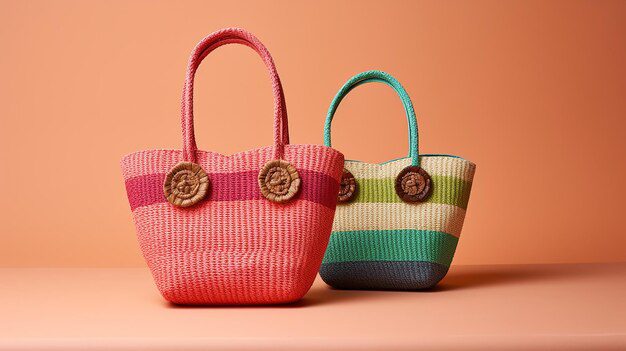
Accessories often work like a personal “ready” button: small additions that help you feel more deliberate, more capable, and more like yourself. When you choose them with intention, they can reduce uncertainty, reinforce identity, and make everyday outfits feel purposeful rather than accidental. This matters because confidence is frequently practical; it grows when your routine feels reliable, and your presentation feels aligned with who you are. The ideas below explain how accessories can support confidence in daily dressing without relying on discussions of color or texture.
A dependable signature that steadies the day
Wearing one consistent item like a watch, a ring, or simple earrings can create a stable baseline you return to regardless of what else you’re wearing. That steadiness removes a layer of morning decision-making and gives you a sense of continuity from one day to the next. When you know you have a dependable “default,” you spend less time second-guessing and more time moving forward. Over time, that repeated signal becomes part of your self-image, which helps you feel less fragile. Fashion tote bags often serve a similar role, acting as a consistent daily anchor that quietly supports your overall look.
Identity cues that reinforce self-belief
Accessories can function as identity markers: a minimal chain that matches your clean style, a vintage pin that reflects your interests, or a structured bag that aligns with your professional goals. These cues matter because they remind you what you stand for and how you want to show up. When what you wear matches your internal narrative, you feel less like you’re performing and more like you’re expressing. Confidence often increases when you stop trying to “fit” and start trying to “fit yourself.”

Better boundaries in shared spaces
In busy environments, accessories can help you feel more secure by improving control over your essentials. A crossbody bag that stays close, a zip wallet that reduces worry, or stylish lifestyle options designed for structured movement can lower the background stress of losing something. Feeling secure changes how you carry yourself; you’re less distracted, less rushed, and less reactive. That calmer presence reads as confidence to others, but more importantly, it feels like confidence to you.
Fast routines that cut hesitation
Many confidence dips start with hesitation: standing at the door unsure, rechecking your pockets, or changing your mind repeatedly. Accessories can turn into a repeatable checklist watch on, keys attached, wallet in place, eyewear ready, so you leave the house with fewer doubts. The routine becomes automatic, and automatic actions create a sense of competence. When the “getting ready” phase runs smoothly, the rest of the day feels more manageable.
Less fidgeting, more composure
People often touch accessories when they feel uncertain, twisting rings, adjusting necklaces, rechecking closures. The goal isn’t to remove accessories; it’s to choose pieces that you don’t need to fuss with. When items sit securely and work with your movements, you’re less likely to fidget, and that reduces self-consciousness in conversations. Composure is a major ingredient of confidence, and composure is easier when you’re not constantly managing small distractions.
Social signaling without saying a word
Accessories can communicate reliability, creativity, seriousness, or approachability, sometimes more clearly than clothing alone. A classic watch can suggest punctuality; a neat belt can suggest attention to detail; a clean tote can suggest readiness; and understated jewelry can suggest restraint. These signals influence how people respond to you, which can change how you feel about yourself in the interaction. When your accessories support the impression you want to give, you enter situations with less anxiety about being misunderstood.
Personal symbols that create inner stability
Some accessories carry meaning that isn’t visible to anyone else: a piece connected to a milestone, a gift that reminds you of support, or an item that represents progress you’ve earned. Those symbols can work like a quiet reassurance during stressful moments. Instead of relying on external validation, you have a private reminder of your own story and capability. That internal stability can be more powerful than any trend because it doesn’t depend on other people’s reactions.
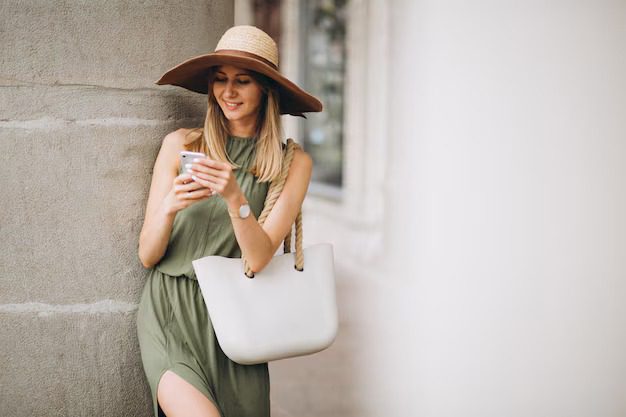
Choosing one focal point to avoid overdoing it
A common confidence trap is adding too much, then feeling unsure and starting to remove items at the last minute. A simpler strategy is to choose one focal item, statement earrings, a standout watch, or a distinctive bag, and keep everything else understated. This keeps your look readable and reduces the sense that you’re trying too hard. Editing is a confidence skill: when you can stop at “enough,” you trust your judgment, and you look more assured. Fashion style tips like this help refine decisions into something more intentional and less overwhelming.
Planning for roles and settings
Confidence rises when your accessories match your day’s roles: work tasks, errands, social plans, or travel. This doesn’t mean buying more; it means planning better. If you know you’ll need hands-free movement, choose a carry option that supports it; if you expect a formal setting, choose pieces that feel appropriate and controlled. When you plan for context, you avoid being caught off guard, and that preparedness often feels like confidence even before anything happens. Daily style essentials become especially useful here, helping you build reliable combinations for different situations.
Conclusion
Accessories shape confidence in daily dressing by supporting clarity, control, and self-trust. They can steady your routine with a signature piece, reinforce identity cues, create better boundaries in shared spaces, and reduce hesitation through repeatable habits. They also help you appear composed, communicate nonverbally, and carry personal symbols that strengthen you from the inside. If you want a simple method, pick one dependable “daily” item, add one purposeful focal piece, and commit to that pairing for a week; the consistency will teach you what genuinely makes you feel capable and present.